Preparing Students for a Digital Future Without Letting Screens Control Their Lives
By Xogos Gaming · July 17, 2026
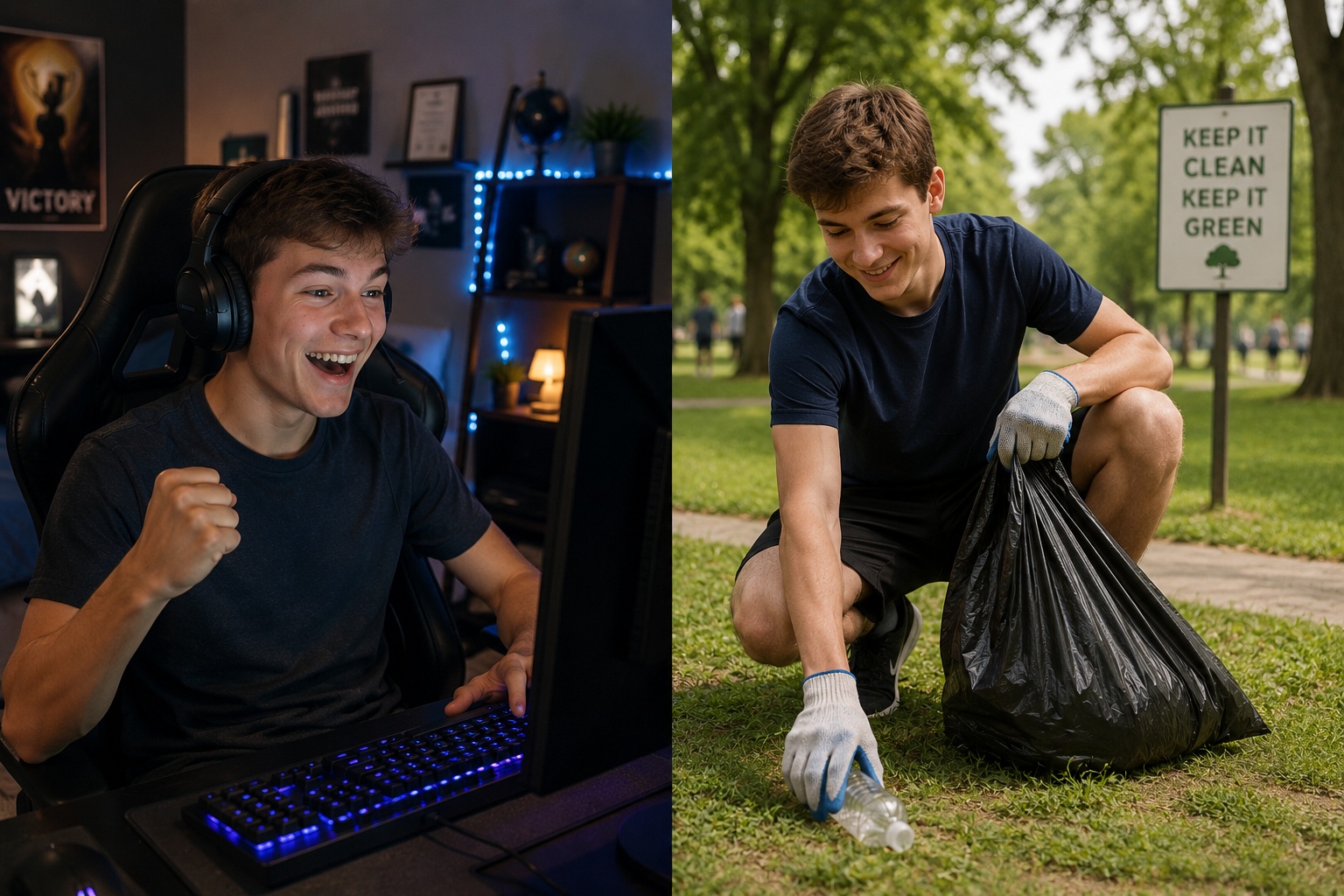
Technology Is No Longer Optional
Whether we like it or not, today's students are growing up in a world where digital devices are woven into nearly every part of daily life. Smartphones, tablets, laptops, smart televisions, wearable devices, artificial intelligence, and online communication have transformed the way we work, learn, shop, communicate, and even receive medical care. By the time today's children become adults, technology will likely play an even greater role in their personal and professional lives.
Because of this reality, avoiding technology altogether is no longer a practical solution. Students will need to know how to use digital tools effectively, communicate professionally online, conduct research, collaborate with coworkers across the world, and adapt to technologies that have not even been invented yet. Digital literacy has become just as important as reading, writing, and mathematics.
The challenge is no longer deciding whether children should use technology, it is teaching them how to use it wisely.
The Real Challenge Isn't Technology, It's Balance
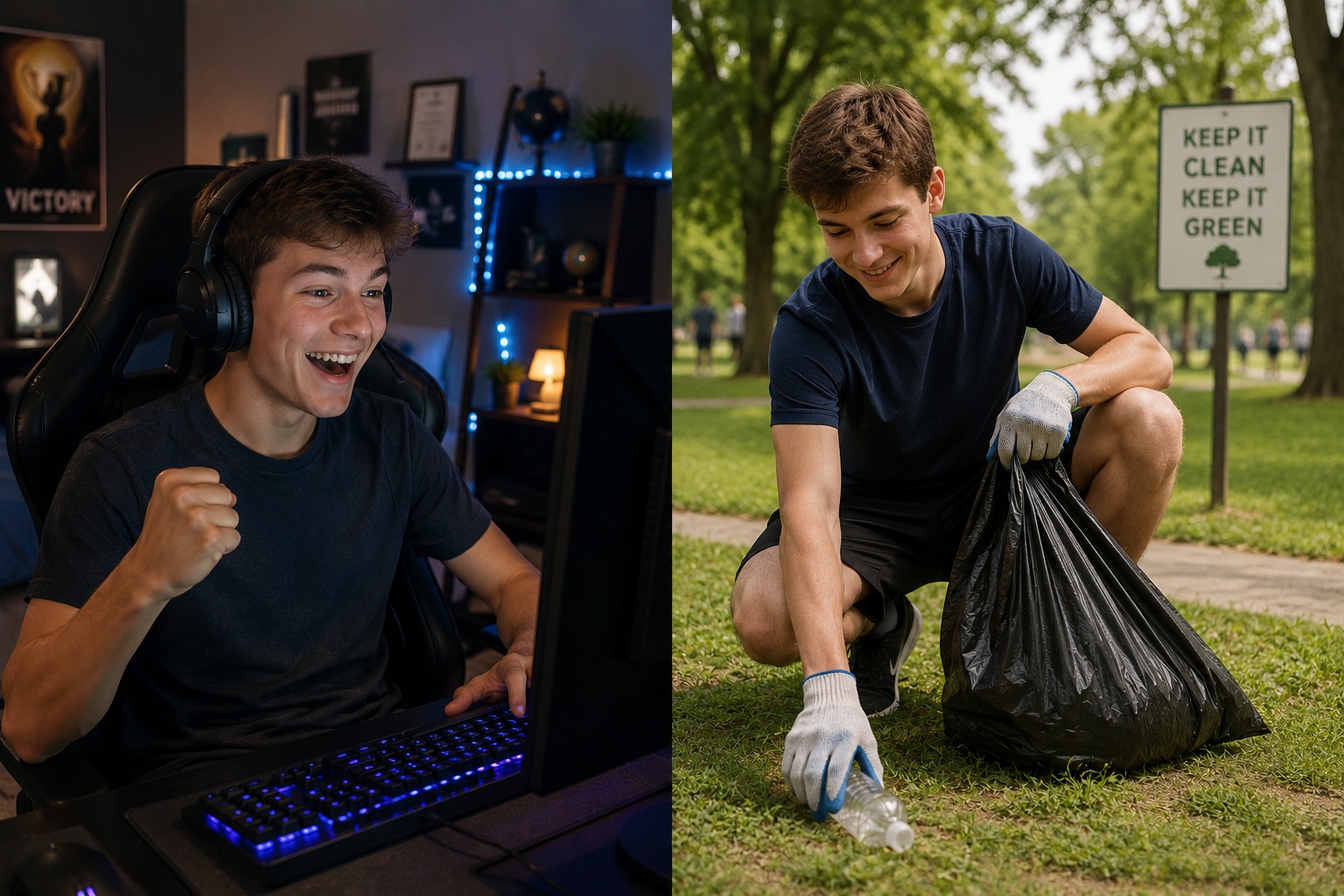
Technology itself is neither good nor bad. It is a tool. The same computer can be used to design life-saving medical equipment, write a bestselling novel, create educational videos, or waste hours scrolling endlessly through social media. The difference is not the device—it is how the device is being used.
Parents and educators often find themselves asking difficult questions.
· How much screen time is appropriate?
· How do we prepare children for a digital future without allowing technology to become an unhealthy addiction?
· How do we encourage creativity, physical activity, face-to-face relationships, and service to others while still helping students become technologically capable?
These questions do not have one simple answer, but they are some of the most important parenting and educational discussions of our time.
Students Will Live in a Connected World
As adults, today's students will communicate with family members through video calls, work remotely with coworkers across the country, attend online training, manage finances digitally, schedule medical appointments, navigate with GPS, and interact with artificial intelligence in ways that are only beginning to emerge today.
Many careers already depend on technology every day.
· Teachers use digital classrooms.
· Doctors rely on electronic medical records.
· Engineers design with sophisticated software.
· Farmers operate GPS-guided equipment.
· Mechanics diagnose vehicles using computers.
· Construction companies use drones and digital blueprints.
· Business owners manage online stores and communicate with customers around the world.
Even careers traditionally thought of as hands-on increasingly require digital skills. Preparing students for this future means helping them become confident, responsible users of technology rather than fearful or dependent users.
Devices Should Be Tools, Not Masters
One of the greatest dangers of modern technology is not the device itself but the amount of time it can quietly consume.
Many apps, games, and social media platforms are intentionally designed to keep users engaged for as long as possible. Features such as endless scrolling, autoplay videos, personalized recommendations, notifications, and variable reward systems encourage people to continue using devices long after they originally intended.
For children and teenagers whose brains are still developing, these systems can make it especially difficult to regulate screen time.
That does not mean technology should be feared. It means students must learn something equally important: self-control. Healthy technology habits include knowing when to log on, when to log off, and recognizing that some of life's greatest experiences happen away from a screen.
The Importance of Living Beyond the Screen
Some of the most valuable lessons in life simply cannot be learned through a device:
· Playing outside teaches creativity and resilience.
· Sports teach teamwork and perseverance.
· Volunteering develops compassion.
· Building something with your hands develops confidence.
· Face-to-face conversations strengthen communication skills.
· Helping neighbors creates stronger communities.
· Serving in churches, nonprofits, and local organizations teaches responsibility and leadership.
· Exploring nature encourages curiosity and wonder.
· Reading physical books develops sustained attention.
These experiences shape character in ways that digital experiences alone cannot. Technology should support these activities—not replace them.
Parents Set the Example
Children often learn more from watching adults than from listening to them.
If parents constantly check phones during meals, conversations, vacations, or family activities, children naturally assume that constant device use is normal.
On the other hand, families who intentionally create device-free dinners, game nights, outdoor adventures, reading time, and meaningful conversations demonstrate that technology has a proper place rather than dominating every moment of life.
Healthy habits are rarely taught through rules alone. They are modeled.
Teaching Digital Wisdom Instead of Digital Fear
Rather than simply limiting screen time, parents and educators can teach students how to make wise decisions about technology.
Students should learn to ask themselves:
- Is this helping me learn?
- Am I creating something or simply consuming?
- Have I spent time outdoors today?
- Have I helped someone today?
- Have I balanced my screen time with real-life experiences?
- Is this making me a better person?
These questions help students become thoughtful users of technology instead of passive consumers.
The goal is not raising children who avoid technology. The goal is raising adults who know how to manage it wisely.
Creating a Healthy Digital Routine
Every family is different, but many find success by establishing routines that encourage balance.
· Homework and educational activities can come before entertainment.
· Outdoor play can be part of every day.
· Physical activity can become just as important as screen time.
· Reading books can remain a daily habit.
· Family conversations can happen without phones at the table.
· Volunteer opportunities can become regular family activities.
· Students can be encouraged to create, build, write, invent, and solve problems instead of simply consuming endless entertainment.
These habits help technology become one healthy part of life rather than the center of it.
Preparing Students for a Lifetime of Success
Technology will continue changing throughout our children's lives. Artificial intelligence, robotics, virtual reality, automation, and innovations we cannot yet imagine will become increasingly common.
The students who succeed will not necessarily be those who spend the most time on devices. They will be those who know when to use technology, how to use it well, and when to set it aside in favor of building relationships, serving others, solving real-world problems, and continuing to grow as individuals.
Digital skills and real-life skills must grow together. One should strengthen the other—not compete against it.
Learning That Extends Beyond the Screen
Education should never end when students turn off the computer. The best learning continues into everyday life through conversations, exploration, creativity, work, service, and personal growth. That philosophy is one of the reasons Xogos Gaming was created.
Rather than encouraging students to spend endless hours on a screen with little lasting value, Xogos Gaming was designed to make screen time meaningful. Students can enjoy educational games that make learning engaging while building knowledge in history, science, mathematics, language arts, financial literacy, and many other subjects. More importantly, the platform encourages students to carry that learning into the real world by rewarding activities that happen away from the computer.
Students are encouraged to explore their communities, complete educational challenges, participate in meaningful activities, and grow through real-world experiences that strengthen both character and knowledge. The goal is not simply to create another game—it is to help students develop a healthy relationship with technology where digital learning becomes a bridge to real-life growth.
The future belongs to students who know how to balance both worlds. By teaching children to use technology with wisdom, purpose, and self-control, we prepare them not only for successful careers, but for meaningful, productive, and fulfilling lives.