Turn Your Kitchen Into a Science Laboratory
By Xogos Gaming · October 8, 2026
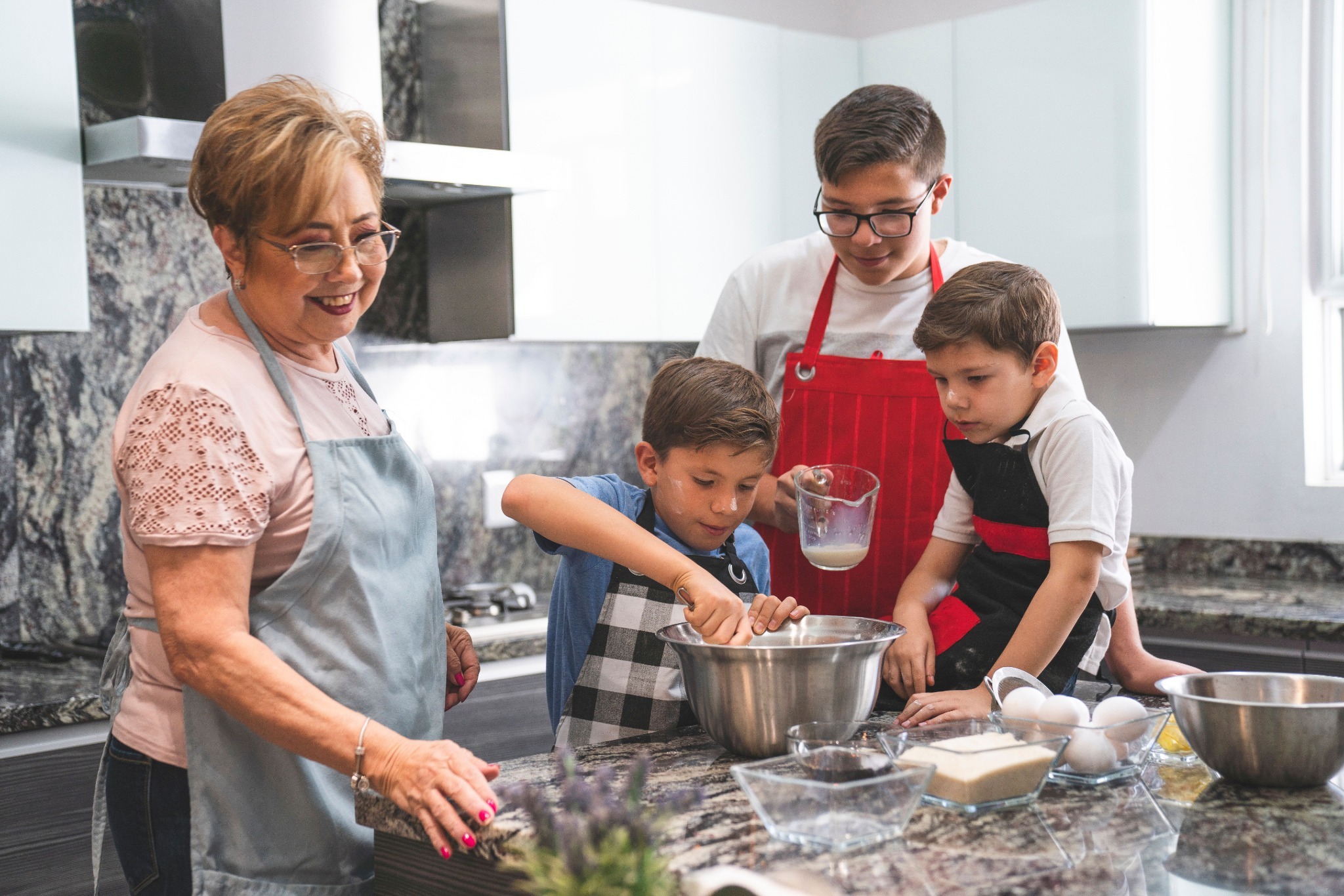
How Homeschool Families Can Turn Everyday Cooking Into Exciting Science Lessons
The Best Science Laboratory Might Already Be in Your Home
What if I told you that one of the best places to teach your children chemistry, physics, biology, mathematics, and even engineering isn't a classroom or an expensive science laboratory? It's your kitchen!
Think about it. Every time you bake bread, boil water, freeze ice cream, scramble an egg, or mix ingredients together, you're witnessing scientific principles in action. Chemical reactions, heat transfer, changes in matter, measurement, and even microbiology are happening right in front of you. Yet how often do we stop and explain to our children what's actually happening?
For homeschooling families, this is an incredible opportunity. Instead of teaching science as a collection of complicated vocabulary words and textbook diagrams, we can help students discover that science is something they experience every single day. Better yet, they get to eat many of their experiments!
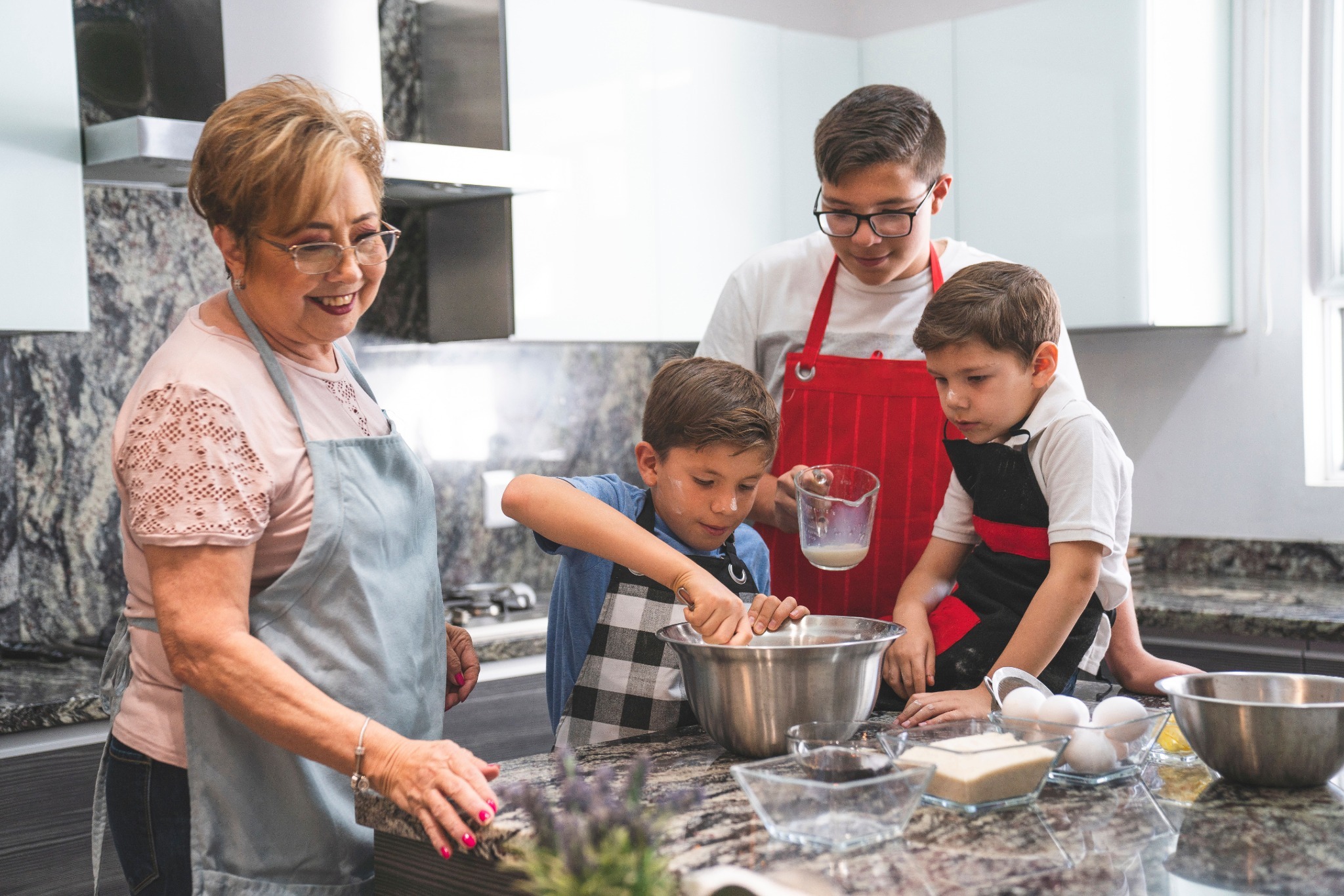
Cooking Is Chemistry You Can Taste
Let's start with something simple: baking cookies. When you mix flour, sugar, eggs, butter, and baking soda, you're combining ingredients with different chemical and physical properties. As the cookies bake, heat causes changes in proteins and starches, moisture evaporates, gases expand, and browning reactions create wonderful flavors.
Suddenly, a batch of chocolate chip cookies becomes a chemistry lesson.
Try making two small batches of cookies, one with baking soda and one without. Ask your children to predict which will spread more, which will brown differently, and how their textures might change. After baking, compare the results and discuss what happened.
You can turn nearly any cooking experience into a scientific investigation:
- Acids and Bases: Mix baking soda with vinegar and watch carbon dioxide bubbles form. Discuss why baking soda helps certain baked goods rise.
- Density: Layer honey, water, and cooking oil in a clear container. Observe how substances separate because of their densities and limited mixing.
- States of Matter: Freeze water into ice, melt it, and then observe water evaporating as it heats.
- Fermentation: Make bread using yeast and investigate how microorganisms consume sugars and produce carbon dioxide.
- Heat Transfer: Compare how quickly chocolate melts in a warm-water bath versus when placed in a cooler location.
The key isn't simply performing the experiment. Ask your students to predict what will happen, observe the results, and explain why they think it happened. That's how cooking becomes scientific inquiry.
The Mathematics Hiding in Every Recipe
Here's another subject that students sometimes struggle to connect to real life: mathematics.
Cooking practically demands it!
Imagine giving your middle school student a recipe designed to serve four people and asking them to prepare dinner for six. Suddenly, fractions, multiplication, division, prop
ortions, and measurement become necessary skills.
If a recipe requires ¾ cup of flour, how much will you need when increasing it by 50%? If the ingredients cost
These aren't imaginary textbook problems. They're decisions students need to make to accomplish something meaningful.
For older students, take the activity further. Have them develop a grocery budget, compare unit prices, calculate nutritional information, estimate preparation times, and determine the cost of operating a small baking business.
You can even challenge teenagers to create a menu for a family dinner with a fixed budget. Now they're practicing mathematics, financial literacy, planning, and problem-solving while learning a valuable life skill.
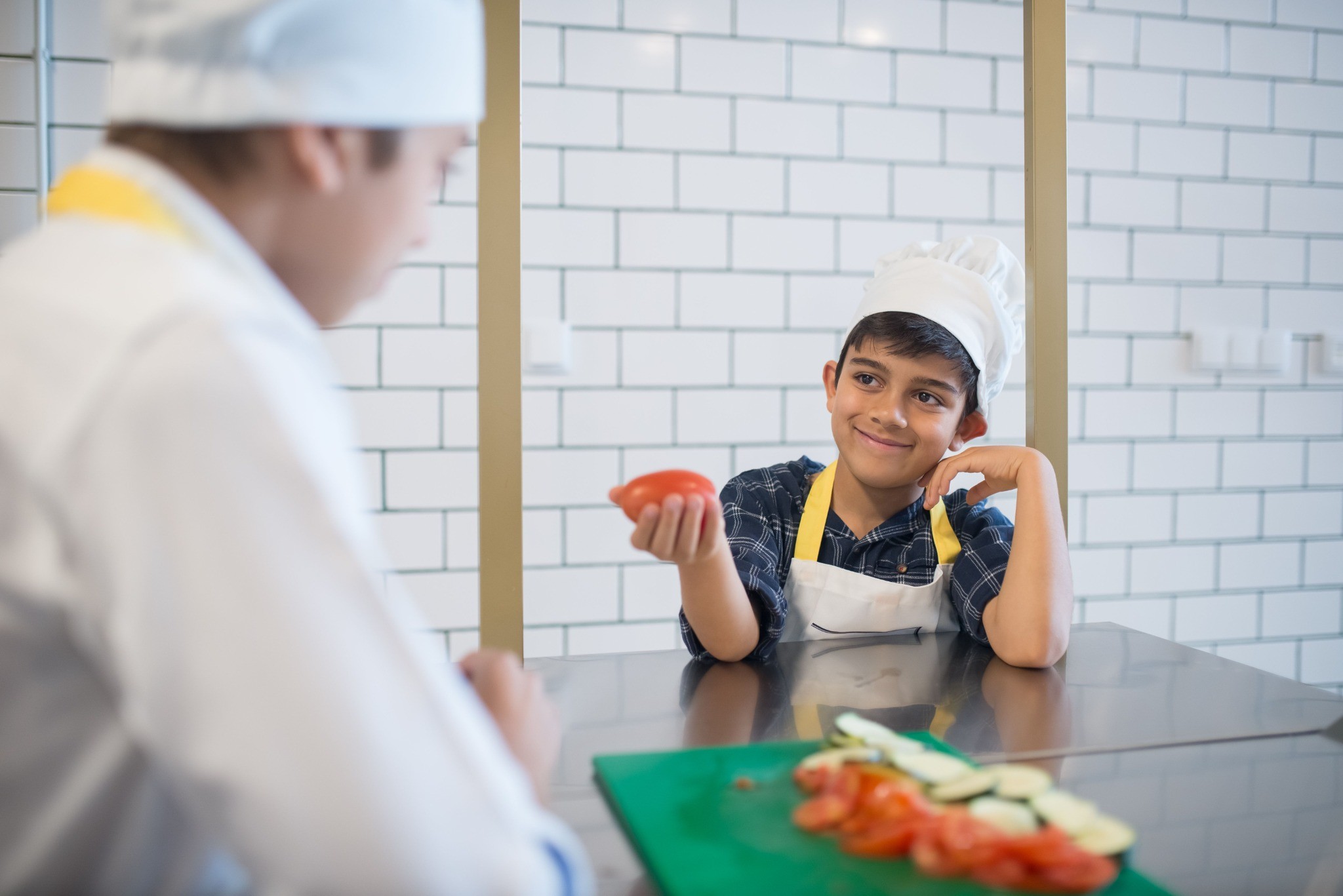
Freezing, Fermentation, and the Science of Change
One of my favorite things about kitchen science is how easily it can lead students into deeper scientific questions.
Take homemade ice cream. Why does adding salt to ice help make ice cream freeze? The answer involves freezing-point depression. Salt lowers the freezing point of water, allowing the ice-and-salt mixture to reach temperatures below the normal freezing point of pure water. Heat flows out of the ice cream mixture and into its colder surroundings.
That's chemistry and physics working together.
Or consider bread dough. Why does it rise? Yeast is a living microorganism that metabolizes sugars, releasing carbon dioxide that becomes trapped within the dough. As students watch the dough expand, t
hey're observing biology and chemistry together.
For a simple experiment, prepare two small batches of yeast dough, keeping the ingredients identical but placing them in environments with different moderate temperatures. Observe how temperature influences the rate of rising. Avoid excessively hot conditions, which can kill the yeast.
For older students, introduce the concept of variables. Ask them to change only one condition at a time, record observations, and develop conclusions based on evidence.
Now they're not just following a recipe. They're thinking like scientists.
Turn Dinner Into a Weekly Family Science Project
You don't have to completely reorganize your homeschool schedule to make this work. Start with one cooking activity each week and gradually build from there.
Here's a simple family plan:
- Monday — Choose Your Experiment: Select a recipe and identify the science involved. Ask your child to research one scientific principle behind it.
- Tuesday — Make Predictions: Have your student explain what they expect to happen when ingredients are mixed, heated, cooled, or fermented.
- Wednesday — Cook and Experiment: Prepare the recipe together, measure carefully, observe changes, and record the results.
- Thursday — Explain the Science: Ask your child to teach the family what happened. What surprised them? What would they change?
- Friday — Make It Better: Repeat part of the experiment with one controlled change, or apply what was learned to a new recipe.
Younger children can measure ingredients, observe changes, and practice counting. Middle school students can investigate chemical reactions and calculate proportions. High school students can explore microbiology, food chemistry, nutrition, experimental design, and food economics.
Always supervise children around hot surfaces, sharp tools, and electrical equipment. Use food-safe ingredients and established food-safety procedures, especially when experimenting with fermentation or preparing foods that require careful temperature control.
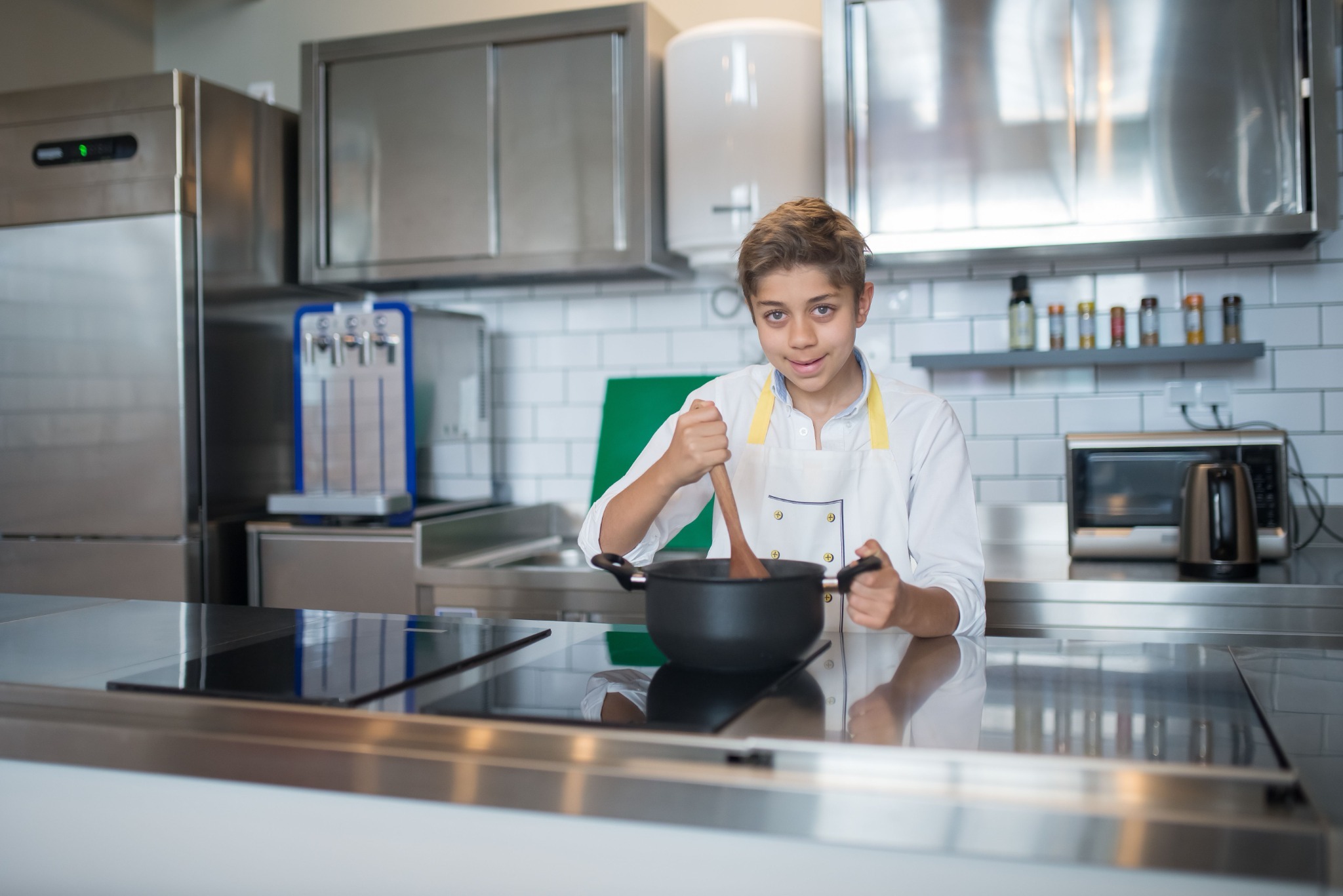
From a Family Activity to a Homeschool Cooking Class
Here's where this idea can become something even bigger.
Many homeschool enrichment programs begin with a simple concept: parents discover an activity their children enjoy, recognize its educational value, and begin sharing that experience with other families. Cooking is especially well suited to this approach because it naturally combines science, mathematics, creativity, teamwork, and practical life skills.
If your children love cooking, why not invite two or three other homeschool families to join you?
Start with a monthly cooking club. Each family can contribute ingredients, and students can take turns selecting recipes, researching the science, and explaining the results. As interest grows, parents might organize a six-week cooking course through a homeschool co-op, with each class focused on a different scientific principle.
You could begin with baking chemistry, move into food preservation, investigate nutrition, explore international foods and geography, and finish with students designing their own recipes.
Students can even develop a small business project by calculating ingredient costs, designing packaging, and determining prices for baked goods, while following applicable local food-sale requirements.
What begins as a family activity could become an educational opportunity for an entire homeschool community.
Take the First Step With KitchenLab at Xogos Gaming
This is one of the reasons we're excited about KitchenLab, the Cooking Academy at Xogos Gaming. KitchenLab is designed to help middle school and high school students explore cooking through an engaging educational experience, covering a broad range of culinary knowledge and practical skills.
Students can explore the science behind food preparation while developing abilities they can use throughout their lives. Cooking also creates opportunities to practice mathematics, chemistry, biology, nutrition, financial literacy, organization, and creativity.
Here's my challenge to homeschooling parents: start with one cooking class and make it a family activity. Choose a lesson, gather the ingredients, and let your student help plan and prepare dinner. Ask questions throughout the process. Let them make predictions, explain the science, and teach you something new.
If they enjoy it, turn that first experience into a weekly family tradition. Invite another homeschool family. Eventually, consider organizing a cooking club or a class through your local homeschool co-op, just as families and independent educational vendors have built hands-on learning opportunities around shared interests.
Explore Xogos Gaming and its KitchenLab Cooking Academy as a starting point for connecting digital instruction with hands-on kitchen experiences.
The goal isn't simply to raise children who can follow recipes. It's to help raise young adults who understand how things work, think critically, solve problems, and confidently take care of themselves.
And perhaps the most exciting part is that they may not even realize how much science they're learning until dinner is ready.
Because science doesn't only happen in laboratories. Sometimes it happens between the mixing bowl and the oven—and ends with something delicious!
More from the marketplace
- A New Way to See: Photography for Your Homeschool Day — 100cameras, October 16, 2026
- Connect institute of excellence! — Connect institute of excellence, October 16, 2026
- Your Child Isn’t Falling Behind as a Person: They May Just Need a Different Way to Learn — JValenciaACTS, October 15, 2026
- Week 2 - Embrace Mistakes as Learning Opportunities — Classroom Ready Ent. Inc., October 15, 2026
- Find homeschool vendors — tutoring, curriculum, therapy, STEM, arts and enrichment
Loading the full experience… If it does not appear, this article is fully readable above.